
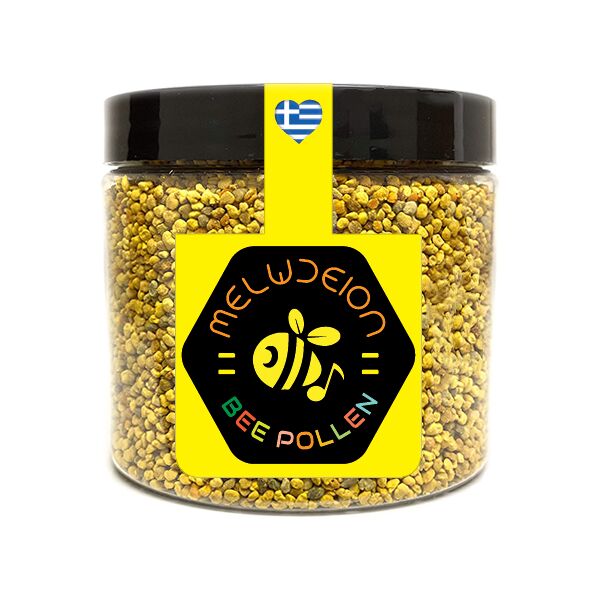
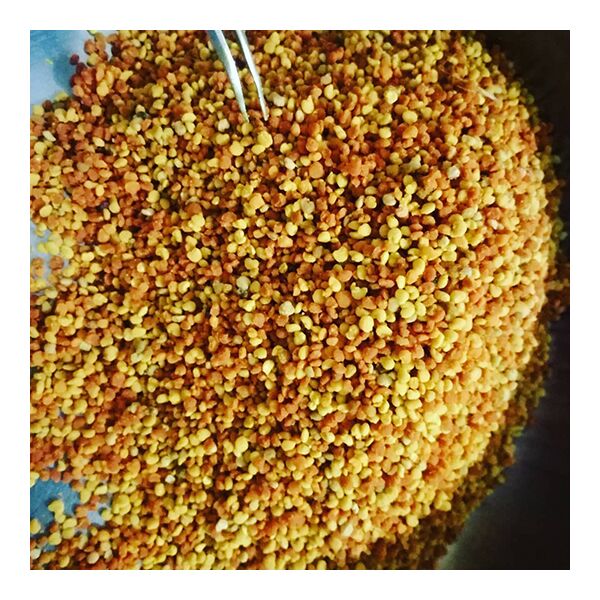
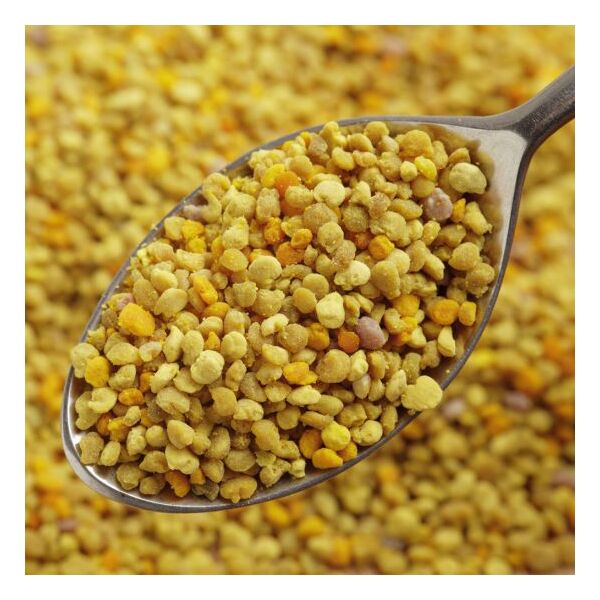
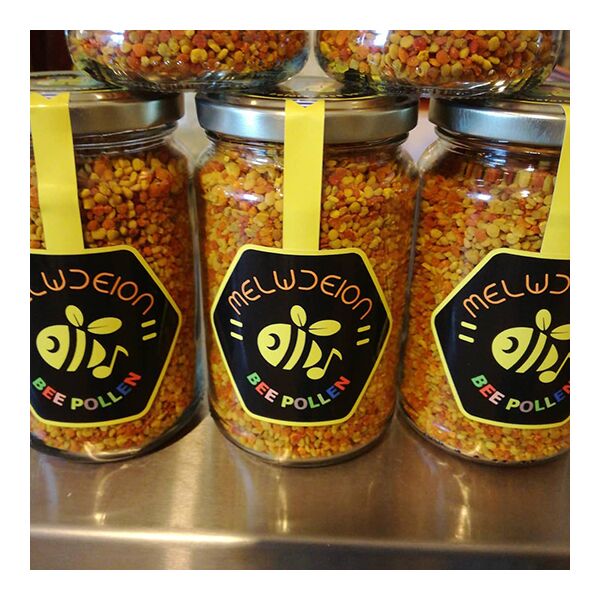
Description
The chemical composition of pollen:
Bee pollen has an impressive nutritional profile. It contains over 250 biologically active substances, the main ones of which are proteins and amino acids, carbohydrates and sugars, lipids and free fatty acids, as well as vitamins and trace elements. The exact content of pollen in these nutrients varies as mentioned above depending on the characteristics of the flora from which it originated. In general, its composition is: Protein: 35%, Carbohydrates: 40%, Lipids: 5%, Water: 5-10%, Other substances: 5-15%
The latter category includes vitamins (mainly folic acid, B vitamins and provitamin A), trace elements such as selenium and iron as well as a variety of antioxidants including flavonoids, carotenoids, quercetin and glutathione. The selenium content of pollen in particular is very high, since 1 tablespoon (approximately 12.5%
Pollen is especially famous for its high content of proteins and amino acids. Typically, in the same amount, pollen provides more protein and amino acids to the body than beef, eggs and cheese. About half of the protein contained in pollen is in the form of free amino acids, which can be more easily used by our body. The high content of pollen in proteins and amino acids, makes it an ideal food for people who follow a vegetarian diet.
Health benefits of pollen:
1. Enhances the antioxidant power of the body.
Pollen contains a wide variety of antioxidants, which can help protect the body from free radicals, which in turn are associated with chronic diseases such as type II diabetes and cancer.
2. Improves heart health.
Animal studies have shown that pollen can lower cholesterol levels, particularly “bad” LDL cholesterol, thus helping to protect against cardiovascular disease. In addition, pollen antioxidants can protect lipids from oxidation, thus reducing the risk of heart disease.
3. It has anti-inflammatory action.
According to studies, the antioxidants that pollen accumulates can reduce inflammation and swelling. In addition, certain compounds contained in pollen can suppress biological processes that stimulate the production of inflammatory hormones such as tumor necrosis factor (TNF).
4. Strengthens the body’s defenses.
There are studies that confirm that bee pollen has strong antimicrobial properties and similar action to antibiotics. Due to its antioxidants and its antimicrobial action, pollen is considered to significantly contribute to the stimulation of the immune system and offers a strong shield against viruses and infections.
5. Soothes skin diseases and helps heal wounds.
Bee pollen seems to improve the appearance of the skin in cases such as eczema and psoriasis. In addition, research has shown that the use of pollen extract in burns has better results and fewer side effects than standard drugs. The antimicrobial action of pollen, on the other hand, can prevent infections, an important risk factor that can jeopardize the healing process of skin abrasions, burns, scratches, etc.
6. Enhances good liver function.
Animal studies have shown that bee pollen may enhance the detoxifying capacity of the liver. Other studies show that antioxidants in bee pollen protect the liver from damage from various toxic substances, including drug overdoses.
7. Facilitates the symptoms of menopause.
Studies have shown that bee pollen can relieve the annoying symptoms of menopause, such as hot flashes.


Reviews
There are no reviews yet.